


Source of Article:
Melih Abdulhayoglu
Founder & Executive Chairman @ Xcitium | Cyber Security, AI , ITSM
Melih Abdulhayoglu
Founder & Executive Chairman @ Xcitium | Cyber Security, AI , ITSM
Click here for more infor.


Physical, virtual, SaaS, and DevOps backup built for IT departments, security...

Endpoint Cloud delivers the most advanced data management & protection...

Altaro VM Backup is designed to give you the reliability and performance you...

MailStore Server is one of the world’s leading solutions for email archiving...

Remotely activate secure, high-performance backups of user’s business...

Endpoint Cloud delivers the most advanced data management & protection...

Moves old files from Network file systems to NAS, SAN or Cloud based...

Secure Offsite Cloud Backup Subscription Add-on for Reliable Data...

StarWind Virtual SAN (VSAN) is a software that eliminates any need...

Cloudbric WAF+ lowers the already best-in-class false-positive rates...

Insider threats have become the Achilles’ heel of most corporate security...

Inbound spam, viruses, malware, ransomware, and phishing attempts ...

Device42 provides comprehensive IT asset management capabilities ...

The MDaemon Email Server is trusted by businesses in over 140 ...

File Sharing, Sync, Backup and Remote Access Compliance & Data Governance ...

Seamlessly deliver apps and desktops to any device easily without any...

More than just a data backup – our Linux backup and recovery solutions...

The S3-compatible API connectivity option for Microdium Hot Cloud...
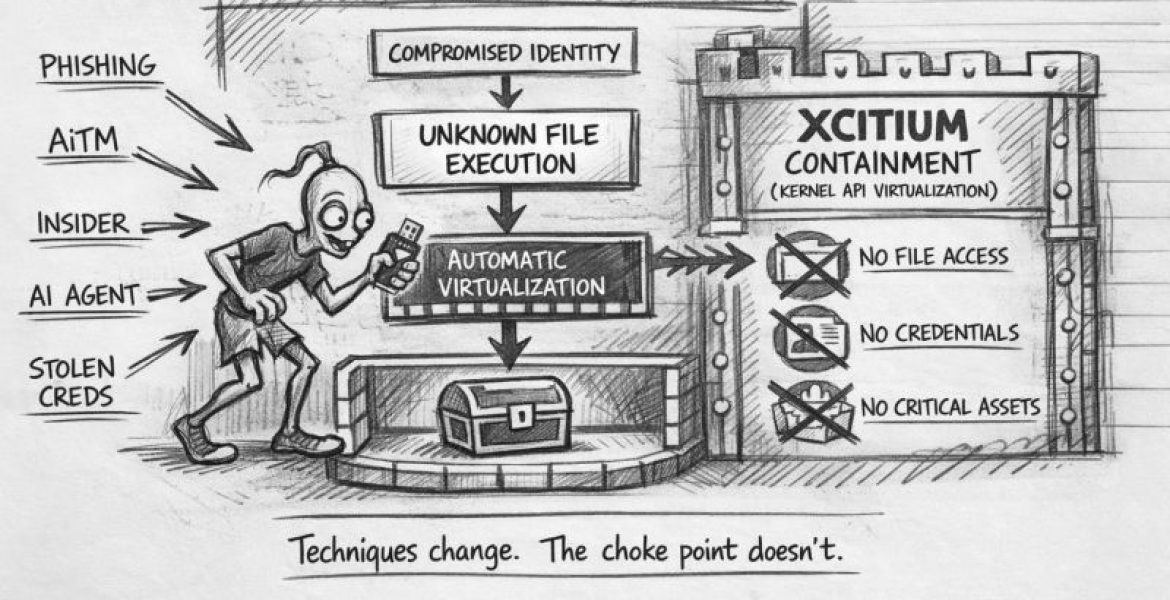
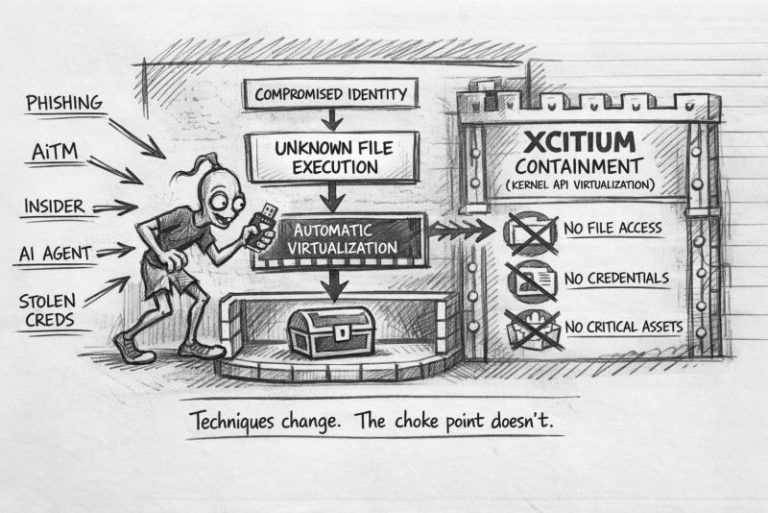


-Phishing.
-AiTM kits.
-Insiders.
-Stolen credentials.
-Compromised AI agents.
So the industry builds more tools to stop those techniques:
-New MFA.
-New phishing detection.
-New identity protections.
-New AI security frameworks.
But every attack eventually needs the same thing:
𝗖𝗼𝗱𝗲 𝗲𝘅𝗲𝗰𝘂𝘁𝗶𝗼𝗻.